Acid Reflux Foods to Avoid: A Comprehensive Guide (Updated 01/24/2026)
Today’s date is 01/24/2026 07:07:23. Navigating acid reflux requires diligent food awareness‚ especially when managing symptoms alongside anxiety‚ even with medication like Omeprazole.
Understanding Acid Reflux & Dietary Triggers

Acid reflux‚ often experienced as heartburn‚ occurs when stomach acid flows back up into the esophagus. This irritating backwash can cause a burning sensation in the chest‚ and sometimes even a sour taste in the mouth. While medication like 40mg Omeprazole can significantly help‚ identifying and avoiding dietary triggers is crucial for effective long-term management.
The connection between food and reflux is highly individual. What bothers one person may not affect another. However‚ common culprits consistently emerge; Learning to distinguish between reflux pain and anxiety-related stomach discomfort is a vital skill‚ allowing for more accurate trigger identification. Intuitive eating – responding to your body’s hunger cues – can prevent overeating and subsequent reflux.
A proactive approach involves carefully testing trigger foods in small portions‚ observing your body’s reaction. Remember‚ room temperature water in the mornings can aid stomach adjustment. Lifestyle factors‚ like avoiding tight clothing and maintaining an upright posture after meals‚ also play a significant role in minimizing acid reflux episodes.
The Role of Omeprazole & Medication Management
Omeprazole‚ a proton pump inhibitor (PPI)‚ is frequently prescribed to reduce stomach acid production‚ providing significant relief from acid reflux symptoms. A dosage of 40mg is often utilized‚ but medication alone isn’t always a complete solution; dietary modifications remain essential‚ even while on PPIs. Medication manages the symptoms‚ but doesn’t necessarily address the cause.
Effective medication management involves consistent adherence to the prescribed dosage and schedule. However‚ forgetting a dose can lead to a resurgence of symptoms‚ highlighting the importance of routine. It’s also crucial to remember that medication doesn’t grant a free pass to indulge in trigger foods.
Combining medication with mindful eating habits – like intuitive eating and careful trigger food testing – yields the best results. Don’t hesitate to utilize over-the-counter remedies like Pepto Bismol or Beano when accidental trigger food consumption occurs. Remember‚ room temperature water can also help soothe the stomach.
Differentiating Reflux Pain from Anxiety-Related Stomach Discomfort
The interplay between acid reflux and anxiety can be complex‚ as both manifest with stomach discomfort‚ making accurate identification crucial for effective management. Learning to distinguish between the two is key to pinpointing true dietary triggers and avoiding unnecessary restrictions.
Reflux pain typically presents as a burning sensation in the chest‚ often rising towards the throat‚ and is frequently linked to specific foods or meal timing. Anxiety-related stomach issues‚ however‚ often feel more like generalized cramping‚ nausea‚ or a “knot” in the stomach‚ and can be less directly tied to food intake.
When experiencing discomfort‚ consider if symptoms arose after eating a potential trigger. If unsure‚ and you’re on medication‚ a small amount of room temperature water can help determine if it’s reflux. Recognizing these differences empowers you to better manage both conditions and refine your dietary approach.
Common Acid Reflux Trigger Foods: A Detailed Breakdown
Identifying personal trigger foods is paramount in managing acid reflux‚ though some are universally problematic. While individual sensitivities vary‚ several categories consistently exacerbate symptoms‚ demanding careful consideration and potential avoidance.
Citrus fruits and juices‚ due to their high acidity‚ frequently provoke reflux. Similarly‚ tomatoes and tomato-based products (sauces‚ pizza) are common culprits. Chocolate‚ particularly processed varieties with added fats and sugars‚ can relax the lower esophageal sphincter. Carbonated beverages introduce gas‚ increasing stomach pressure and promoting backflow.
It’s important to note that tolerance levels differ; some may manage small portions‚ while others require complete elimination. Gradual reintroduction‚ coupled with mindful observation of symptoms‚ is crucial for personalized dietary adjustments. Remember‚ even seemingly benign foods can trigger discomfort in susceptible individuals.
Citrus Fruits & Juices
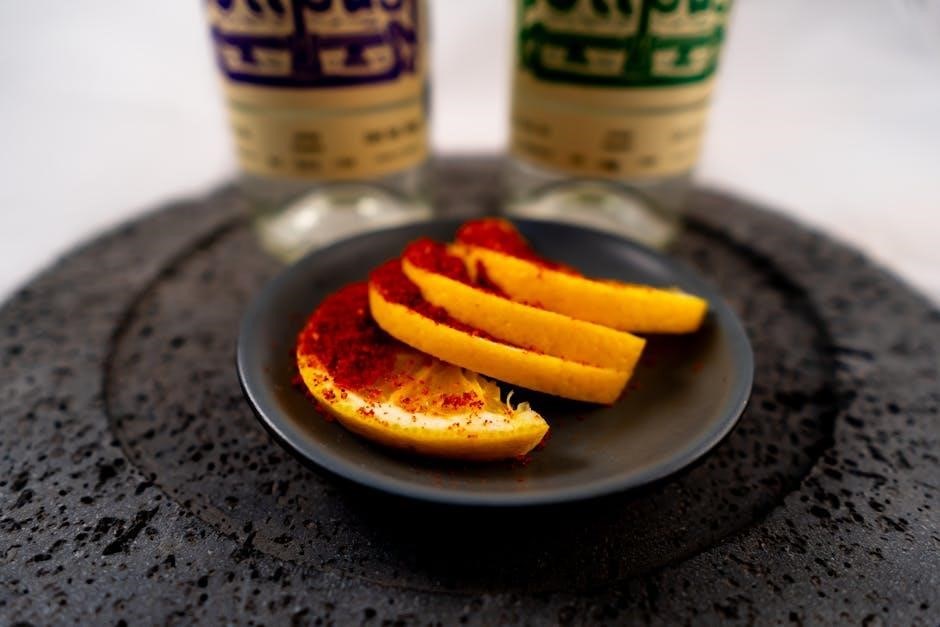
Citrus fruits and their juices – including oranges‚ grapefruits‚ lemons‚ and limes – are frequently reported as significant acid reflux triggers due to their inherently high acidity levels. This acidity can irritate the esophageal lining‚ intensifying heartburn and discomfort. The citric acid directly contributes to increased stomach acid production‚ exacerbating reflux symptoms.
However‚ individual tolerance varies considerably. Some individuals may tolerate small amounts of diluted citrus juice‚ while others experience immediate and severe reactions. Observing your body’s response is crucial. Consider eliminating all citrus for a period‚ then reintroducing small portions to assess your personal threshold.
Remember‚ even seemingly healthy choices can contribute to reflux if they provoke a reaction in your system. Prioritize mindful consumption and symptom tracking.

Tomatoes & Tomato-Based Products
Tomatoes and tomato-based products – such as pasta sauce‚ ketchup‚ salsa‚ and pizza sauce – are notorious for triggering acid reflux in many individuals. Like citrus fruits‚ tomatoes possess a high acidity level‚ which can relax the lower esophageal sphincter (LES)‚ allowing stomach acid to flow back into the esophagus. This relaxation leads to heartburn and related discomfort.
Interestingly‚ the method of preparation can influence tolerance. Some find that cooked tomatoes are less problematic than raw tomatoes. Experimenting with small portions of tomato paste‚ as used in pink sauce‚ might be manageable for some. However‚ fully avoiding tomatoes remains a common recommendation for those with severe reflux.
Pizza‚ a frequent offender‚ combines tomatoes with other potential triggers like cheese and fatty toppings‚ compounding the issue.
Chocolate (Especially Processed Varieties)
Chocolate‚ a beloved treat‚ unfortunately ranks high on the list of acid reflux triggers for many. This is due to several factors: it contains caffeine and theobromine‚ both of which can relax the lower esophageal sphincter (LES)‚ promoting acid backflow. Furthermore‚ chocolate is often high in fat‚ which slows down stomach emptying and increases acid production.
Processed chocolate varieties‚ like candy bars‚ tend to be worse offenders than higher-quality‚ European chocolates. The added sugars‚ fats‚ and artificial ingredients in processed chocolates exacerbate reflux symptoms. Interestingly‚ homemade chocolate cake appears to be better tolerated by some‚ suggesting ingredient quality matters.
Individual tolerance varies‚ but cautious consumption or avoidance is often advised.
Carbonated Beverages
Carbonated beverages‚ including soda‚ sparkling water‚ and even beer‚ are notorious triggers for acid reflux. The primary culprit is the carbon dioxide gas‚ which increases pressure within the stomach. This heightened pressure can force the lower esophageal sphincter (LES) to open‚ allowing stomach acid to flow back into the esophagus.
Even seemingly innocuous drinks like apple juice can cause issues if consumed in excess or followed by lying down‚ leading to regurgitation. The bubbles themselves contribute to bloating and discomfort‚ further exacerbating reflux symptoms. Avoiding carbonation altogether is often recommended for those prone to frequent heartburn.
As one individual noted‚ “carbonation is evil‚” highlighting its potent ability to induce reflux. Opting for still water or herbal teas is a much gentler choice.

Spices & Seasonings to Limit
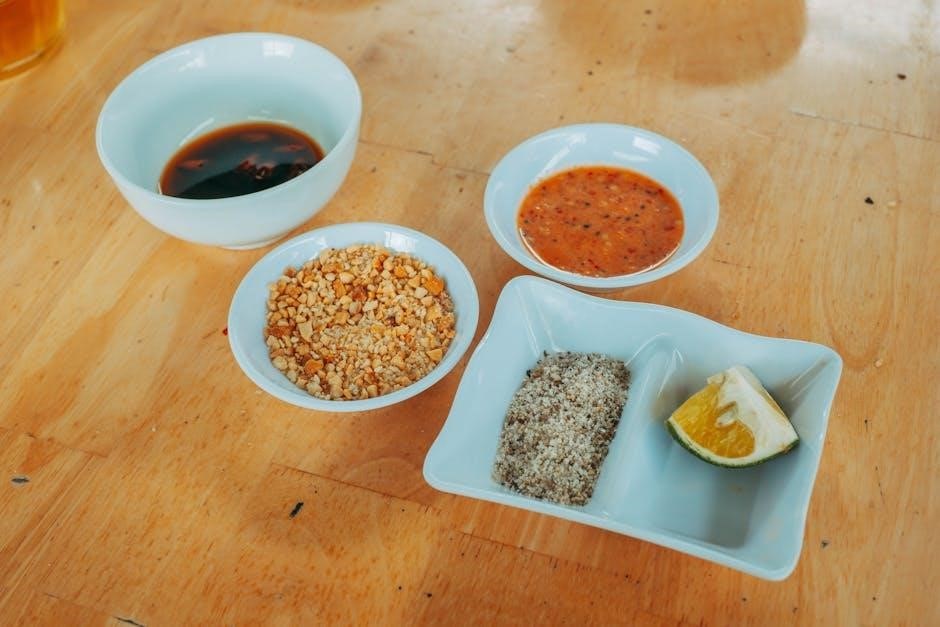
Many spices and seasonings‚ while adding flavor to meals‚ can unfortunately aggravate acid reflux symptoms. The intensity varies greatly from person to person‚ making pinpointing specific triggers crucial. However‚ common culprits include chili powder‚ cayenne pepper‚ black pepper‚ and garlic – particularly when consumed raw.
Raw garlic‚ for example‚ is a significant no-go for some‚ while cooked garlic is tolerable in small amounts. This highlights the importance of testing trigger foods gradually. When spice sensitivity exists‚ exploring alternative flavoring methods becomes essential.
One individual discovered that diversifying into different cheeses and other seasoning approaches helped compensate for limited spice intake. Finding creative ways to enhance flavor without relying on potent spices is key to enjoying meals comfortably.
Fatty & Fried Foods: Impact on Lower Esophageal Sphincter
Fatty and fried foods are notorious triggers for acid reflux‚ primarily due to their impact on the lower esophageal sphincter (LES). These foods delay stomach emptying‚ increasing pressure and the likelihood of stomach acid flowing back into the esophagus. The longer food sits in the stomach‚ the greater the chance of reflux occurring.
High-fat content also weakens the LES‚ the muscular ring that prevents acid backflow. This weakening allows stomach acid to escape more easily‚ causing heartburn and discomfort. Avoiding these foods isn’t always about complete elimination‚ but mindful consumption and portion control.
Furthermore‚ tight-fitting clothing exacerbates the issue by adding external pressure to the stomach‚ trapping gas and worsening reflux symptoms. Prioritizing leaner cooking methods and avoiding excessive fat intake can significantly improve acid reflux management.
The Importance of Intuitive Eating for Acid Reflux
Intuitive eating plays a surprisingly crucial role in managing acid reflux. Restrictive diets can backfire‚ creating a cycle of craving and overindulgence when trigger foods are eventually consumed. Instead‚ learning to listen to your body’s hunger and fullness cues can prevent stomach overload‚ a major reflux contributor.
When genuinely hungry‚ the stomach is better prepared to handle food‚ even potential triggers‚ in moderation. Conversely‚ eating when not truly hungry increases the risk of reflux. This approach also helps differentiate between physical hunger and emotional eating‚ which often leads to poor food choices.
Focusing on satisfaction and enjoyment with meals‚ rather than rigid rules‚ fosters a healthier relationship with food and reduces the anxiety surrounding potential triggers. It’s about mindful consumption‚ not deprivation.
Reintroducing suspected trigger foods isn’t about complete avoidance‚ but careful experimentation. Start with a very small portion – significantly less than you’d normally consume – and observe your body’s reaction. Repeat the test multiple times‚ on different days‚ to confirm consistency;
Consider preparation methods. Raw garlic might be problematic‚ while cooked garlic could be tolerable. Similarly‚ a small amount of tomato paste in a homemade sauce might not cause issues‚ unlike a full slice of pizza. This nuanced approach helps pinpoint specific sensitivities.
Pay close attention to symptoms. Mild discomfort is different from severe pain. If a food consistently causes significant reflux‚ it’s best to limit or avoid it. Remember‚ individual tolerances vary greatly.
The Benefits of Locally Sourced Animal Products (Eggs as an Example)
Interestingly‚ switching to locally sourced animal products can significantly improve acid reflux symptoms for some individuals. A prime example is eggs; one person experienced stomach upset with conventional eggs‚ but found relief after switching to locally sourced varieties.
While the exact reason isn’t definitively known‚ theories suggest differences in animal feed‚ farming practices‚ and freshness play a role. Locally raised animals often have more natural diets and aren’t subjected to the same stressors as those in large-scale operations.
This highlights the potential benefits of supporting local farms and prioritizing quality over convenience. Experimenting with locally sourced options might uncover unexpected improvements in your digestive health and reduce reliance on strict dietary restrictions.
Over-the-Counter Remedies: Pepto Bismol & Beano
Don’t hesitate to utilize over-the-counter remedies like Pepto Bismol and Beano when navigating acid reflux triggers. These can be incredibly helpful for managing occasional discomfort or allowing for mindful indulgence in typically problematic foods.
Pepto Bismol can provide soothing relief from heartburn and upset stomach‚ while Beano aids in digesting complex carbohydrates‚ reducing gas and bloating that can exacerbate reflux. They aren’t replacements for medication or dietary changes‚ but valuable tools for symptom management.

Consider them “rescue” options when a trigger food slips through‚ or when you consciously choose to enjoy a treat. Always follow dosage instructions and consult a healthcare professional if symptoms persist or worsen.
Homemade vs. Processed Foods: A Comparative Analysis
A significant difference exists between homemade and processed foods regarding acid reflux triggers. Often‚ homemade versions are gentler on the digestive system due to control over ingredients and preparation methods.
Processed foods frequently contain additives‚ preservatives‚ and higher levels of unhealthy fats that can worsen reflux symptoms. For example‚ store-bought chocolate tends to be more problematic than a homemade chocolate cake‚ potentially due to differing ingredients and processing techniques.
European chocolate‚ with its distinct composition‚ may also be better tolerated than typical candy bars. Prioritizing fresh‚ whole ingredients and preparing meals at home allows for tailored dietary adjustments‚ minimizing exposure to common reflux irritants and promoting better digestive health.
Lifestyle Adjustments for Acid Reflux Management
Beyond dietary modifications‚ several lifestyle adjustments can significantly impact acid reflux. Avoiding tight-fitting clothing‚ particularly around the waist‚ is crucial‚ as it increases abdominal pressure and can trap gas‚ exacerbating symptoms.
Maintaining an upright posture for at least an hour after meals aids digestion and prevents stomach acid from flowing back into the esophagus. Post-meal posture is incredibly important.
Simple habits‚ like drinking room temperature water in the mornings‚ can help soothe the stomach and prepare it for the day. Careful consideration of beverage timing‚ such as limiting apple juice intake before lying down‚ can also minimize reflux episodes. Proactive meal prepping further supports dietary control and reduces impulsive choices.

Avoiding Tight-Fitting Clothing
Tight waistbands and restrictive garments significantly contribute to acid reflux symptoms by increasing pressure on the abdomen. This added pressure forces the stomach contents upwards‚ increasing the likelihood of acid escaping into the esophagus. It’s a surprisingly impactful factor often overlooked in reflux management.
Specifically‚ avoid belts‚ pants‚ and skirts that constrict your midsection‚ especially during and immediately after meals. Opt for loose-fitting‚ comfortable clothing that allows your stomach to expand naturally during digestion. This simple change can dramatically reduce discomfort and the frequency of reflux episodes.
Remember‚ even seemingly minor constriction can exacerbate symptoms. Prioritizing comfort in your clothing choices is a proactive step towards better acid reflux control.
Post-Meal Posture: Staying Upright for an Hour
Maintaining an upright posture for at least one hour after eating is crucial for managing acid reflux. Gravity plays a significant role in keeping stomach acid where it belongs – in the stomach! Lying down or slouching immediately after a meal allows acid to flow back up into the esophagus more easily‚ triggering heartburn and discomfort.
This doesn’t mean you need to stand rigidly; simply avoid reclining or lying flat. Gentle activities like walking or sitting comfortably in an upright position are beneficial. If you’re prone to reflux‚ consider elevating the head of your bed slightly during sleep as well.
Prioritizing this simple postural adjustment can significantly reduce the frequency and severity of your acid reflux symptoms‚ complementing dietary changes and medication.
Managing Specific Beverages: Apple Juice & Timing
Apple juice‚ while seemingly benign‚ can be a surprising trigger for some individuals with acid reflux. Its acidity‚ even natural acidity‚ can exacerbate symptoms. However‚ complete elimination isn’t always necessary; mindful consumption and timing are key.
Small portions of apple juice are often tolerated better than larger quantities. Crucially‚ avoid consuming apple juice immediately before lying down. As noted‚ even a small amount can trigger reflux if followed by a horizontal position. Allow at least an hour or two for digestion before reclining.
Experimenting with different types of apple juice – organic versus conventional‚ clear versus cloudy – might reveal sensitivities. Pay attention to your body’s response and adjust accordingly. Water remains the safest beverage choice overall.
Meal Prepping for Acid Reflux: Proactive Dietary Control
Proactive meal prepping is a cornerstone of effective acid reflux management. By controlling ingredients and portion sizes in advance‚ you minimize the risk of impulsive choices that could trigger symptoms. Focus on building meals around reflux-friendly foods‚ avoiding known irritants like tomatoes‚ excessive spices‚ and high-fat components.
Batch cooking allows for consistent‚ healthy options throughout the week. Prepare larger quantities of lean proteins‚ steamed vegetables‚ and whole grains. Portioning meals into individual containers further aids in portion control‚ preventing overeating – a common reflux trigger.
Consider preparing homemade alternatives to processed foods‚ as these often contain hidden triggers. This approach empowers you to tailor your diet precisely to your needs‚ fostering long-term relief and well-being.