This exploration delves into the jarring juxtaposition of extreme violence‚ intensely personal artistic expression‚ and the comforting world of analog sound․
Defining the Disconnect
The core tension lies in the profound disparity between the brutal reality of inflicted trauma – specifically‚ the horrific imagery evoked by 200 stab wounds – and the seemingly benign realms of intensely personal‚ often cathartic‚ artistic endeavors like manual manic procedures․ This disconnect is further amplified when considering the nostalgic and tactile experience offered by vinyl records․
One represents utter destruction and suffering‚ a violation of the physical self․ The others‚ while potentially born from internal struggles‚ aim towards creation‚ expression‚ and a curated aesthetic experience․ How can these vastly different spheres coexist within a single analytical framework? The challenge is to acknowledge the inherent moral and emotional weight of the first element‚ while respectfully examining the motivations and outcomes of the latter two‚ without minimizing or justifying the initial violence․
Scope of the Article
This article will not sensationalize violence but will address the disturbing imagery of extreme trauma as a necessary‚ albeit uncomfortable‚ starting point for analysis․ We will explore the psychological and artistic responses that can emerge in the wake of such experiences‚ focusing on ‘manual manic procedures’ as a potential outlet for processing intense emotions․
Furthermore‚ we will investigate the seemingly unrelated world of vinyl records‚ examining its resurgence in popularity and its inherent qualities of physicality and ritual․ The aim is not to equate these elements‚ but to identify conceptual connections – themes of pain‚ repetition‚ and the search for beauty within darkness – that might illuminate a surprising‚ and perhaps unsettling‚ harmony․ Ethical considerations surrounding artistic expression and collecting will also be addressed․
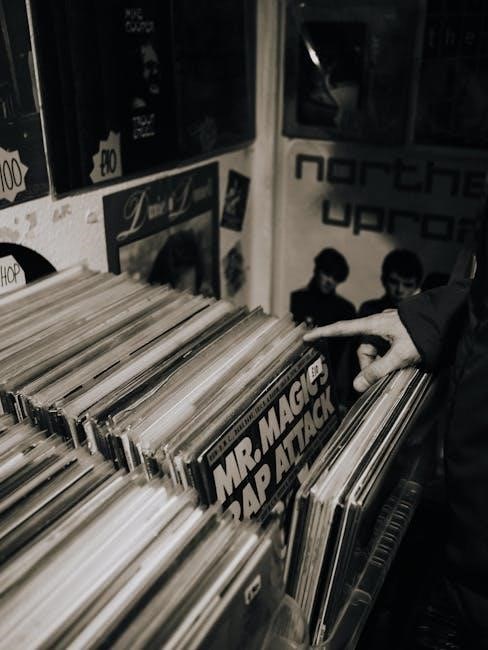
Part 1: The Gruesome Reality ー 200 Stab Wounds
The sheer brutality of such extensive trauma demands initial examination‚ acknowledging the physical devastation and the profound psychological impact on all involved․
Medical Perspective: Trauma Severity
Two hundred stab wounds represent an almost unimaginable level of physical trauma․ From a medical standpoint‚ survival would be contingent on numerous factors – the depth and location of each wound‚ the organs affected‚ and the speed of intervention․ Such extensive injuries immediately induce profound hypovolemic shock due to massive blood loss‚ requiring aggressive fluid resuscitation and blood transfusions․
The body’s physiological response would be overwhelmed; multiple systems would begin to fail․ Damage control surgery‚ prioritizing immediate hemorrhage control‚ would be essential‚ often followed by staged reconstruction․ The risk of infection is extraordinarily high‚ necessitating broad-spectrum antibiotics․ Beyond the immediate physical dangers‚ the metabolic stress and inflammatory response contribute to multi-organ dysfunction syndrome‚ significantly decreasing the chances of recovery․

Forensic Analysis: Weapon & Wound Patterns
Analyzing 200 stab wounds requires meticulous forensic investigation․ Wound pattern analysis is crucial – size‚ shape‚ depth‚ and angle all provide clues about the weapon used․ Were multiple weapons employed? The consistency (or inconsistency) of wound characteristics suggests a single assailant or a struggle involving multiple attackers․
Detailed examination of wound tracks reveals information about the force applied and the victim’s movements during the attack․ Evidence of hesitation marks or defensive wounds indicates the dynamics of the assault․ Trace evidence – fibers‚ skin cells‚ or weapon residue – found within the wounds can link the victim and assailant․ Reconstructing the sequence of wounds helps establish the timeline and potential intent․ Ballistics‚ even with bladed weapons‚ considers the mechanics of penetration and potential weapon characteristics․
Psychological Impact on Victims & First Responders
Surviving 200 stab wounds inflicts profound and lasting psychological trauma․ Victims often experience Post-Traumatic Stress Disorder (PTSD)‚ characterized by flashbacks‚ nightmares‚ and severe anxiety․ Complex grief‚ depression‚ and feelings of helplessness are common․ The sheer physical violation can lead to profound feelings of shame and a shattered sense of safety․
First responders – paramedics‚ police officers‚ and emergency room staff – are also deeply affected․ Witnessing such extreme violence can induce secondary traumatic stress‚ leading to emotional numbing‚ intrusive thoughts‚ and burnout․ Vicarious traumatization is a significant risk‚ requiring robust mental health support and debriefing protocols to mitigate long-term psychological consequences․ The intensity of the scene leaves indelible marks․

Part 2: Manual Manic Procedures ー A Deep Dive
These intensely personal‚ often self-inflicted‚ acts represent a desperate attempt at control‚ expression‚ and a tangible manifestation of internal turmoil․
Historical Context of Manic Procedures
Throughout history‚ self-harm‚ though often shrouded in secrecy‚ has manifested in diverse forms․ Ancient cultures sometimes incorporated ritualistic scarification as rites of passage or displays of devotion‚ differing vastly from modern understandings․
During the medieval period‚ acts of penance frequently involved physical suffering‚ blurring the lines between religious practice and self-inflicted pain․ The Victorian era witnessed a rise in “hysteria‚” often treated with methods now considered harmful‚ and self-injury was frequently pathologized as a symptom of moral failing․
The 20th and 21st centuries have seen a shift towards recognizing self-harm as a coping mechanism linked to trauma and mental health conditions‚ though stigma persists․ Understanding this historical evolution is crucial for contextualizing contemporary expressions of distress and the motivations behind such procedures․
Modern Interpretations & Artistic Expression
Contemporary art increasingly explores themes of pain‚ trauma‚ and the body‚ often utilizing visceral imagery and performance․ Artists may employ representations of self-harm – including depictions reminiscent of ‘manic procedures’ – not to glorify suffering‚ but to provoke dialogue and challenge societal taboos․
This artistic expression can serve as a form of catharsis for both the creator and the audience‚ offering a space for processing difficult emotions․ However‚ it also raises complex ethical questions regarding representation and potential triggering effects․
The deliberate‚ repetitive nature of some artistic practices can mirror the compulsive aspects of self-injury‚ offering a symbolic outlet․ The physicality of certain mediums‚ like sculpture or performance art‚ can further emphasize the embodied experience of pain and healing․
Ethical Considerations & Boundaries
Depicting extreme violence‚ even abstractly‚ demands careful consideration of potential harm․ The representation of ‘manic procedures’ and imagery evoking 200 stab wounds necessitates sensitivity towards individuals with lived experience of trauma or self-harm․ Artistic intent must be balanced with the risk of triggering or re-traumatizing viewers․
Boundaries become particularly blurred when art intersects with personal suffering․ Questions arise regarding exploitation‚ voyeurism‚ and the responsibility of the artist to provide adequate content warnings and support resources․
Furthermore‚ the commodification of pain – even through artistic expression – raises ethical concerns․ Is it possible to represent trauma respectfully‚ or does any form of depiction inherently contribute to its normalization or sensationalization?
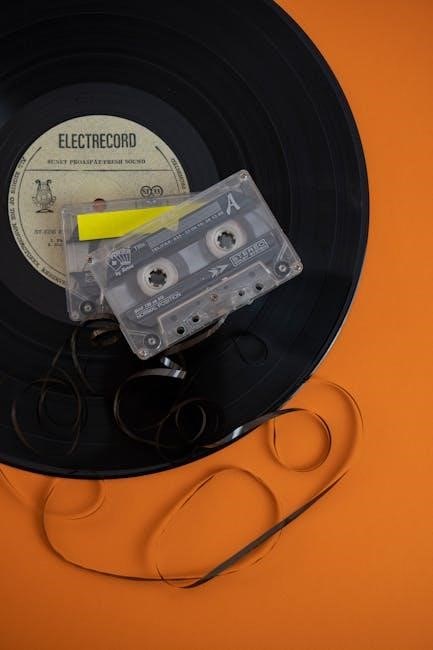
Part 3: Vinyl Records ⎯ The Analog World
We now shift focus to the tangible beauty of vinyl‚ exploring its history‚ production‚ and enduring appeal as a medium for musical storytelling․
The Resurgence of Vinyl
The comeback of vinyl records in the 21st century is a fascinating cultural phenomenon․ After decades of being overshadowed by digital formats like CDs and MP3s‚ vinyl has experienced a remarkable revival‚ particularly among younger generations․ This isn’t simply nostalgia; it’s a deliberate embrace of a different listening experience․
Many audiophiles champion vinyl’s warmer‚ more dynamic sound quality‚ attributing it to the analog recording process․ Beyond sound‚ the physical format itself – the large artwork‚ the tactile experience of handling the record‚ and the ritual of playing it – contributes to its appeal․ Vinyl encourages active listening‚ demanding a level of engagement absent in the convenience of streaming․
Record stores have seen a resurgence‚ becoming community hubs for music lovers․ Limited edition releases and colored vinyl further fuel the collector’s market‚ adding another layer to the vinyl experience․
Manufacturing Processes & Materials
Vinyl records aren’t simply “pressed”; their creation is a complex process․ It begins with mastering – converting the audio to a format suitable for cutting a lacquer disc․ This disc is then used to create a “metal master‚” from which multiple “stampers” are made․
These stampers are placed in a hydraulic press‚ and heated polyvinyl chloride (PVC) pellets are squeezed between them‚ forming the record․ The PVC compound isn’t pure vinyl; it includes stabilizers‚ plasticizers‚ and colorants․ Historically‚ shellac was used‚ but PVC became dominant due to its durability and cost-effectiveness․
Record weight and thickness vary‚ impacting sound quality and longevity․ Labels are applied‚ and the record undergoes quality control before packaging․ The entire process demands precision and careful material selection to ensure a quality final product․
Collecting & Preservation Techniques
Vinyl collecting is a passionate pursuit‚ demanding careful preservation․ Records should be stored vertically to prevent warping‚ away from direct sunlight and heat sources․ Utilizing high-quality inner and outer sleeves is crucial‚ protecting against dust and scratches․
Regular cleaning with a carbon fiber brush removes surface dust․ For deeper cleaning‚ specialized record cleaning machines employing distilled water and cleaning fluids are recommended․ Proper handling – holding by the edges and label – minimizes fingerprints․
Stylus care is paramount; a worn stylus damages records․ Regular replacement and cleaning are essential․ Archiving digitally preserves the audio‚ but doesn’t replace the tactile experience․ Careful cataloging and environmental control ensure a collection’s longevity․
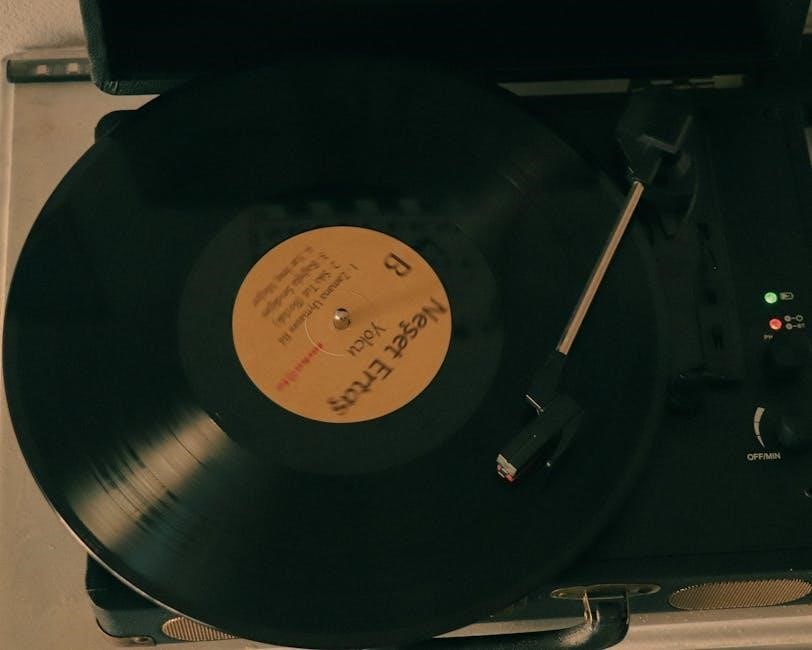
Part 4: Bridging the Gap ⎯ Conceptual Connections
Exploring shared themes of control‚ release‚ and the physical manifestation of internal states reveals surprising resonances between these seemingly disparate elements․
The Aesthetics of Pain & Beauty
The human fascination with witnessing‚ and even creating‚ representations of suffering is a complex phenomenon․ Within the context of extreme trauma‚ like that implied by 200 stab wounds‚ a disturbing aesthetic can emerge – a morbid curiosity focused on the physicality of injury․
Similarly‚ ‘manual manic procedures’ often involve a deliberate‚ almost ritualistic‚ engagement with the body‚ pushing boundaries and exploring the limits of sensation․ This can be interpreted as a search for a perverse beauty within the act itself․
Even vinyl records‚ seemingly removed from such darkness‚ possess a tactile quality and a visual aesthetic that can be deeply affecting․ The imperfections – the crackle‚ the pop – can be seen as analogous to scars‚ marking a history and adding character․ The beauty lies in the tangible‚ imperfect nature of the medium․
Ritual & Repetition in Both Forms
Repetitive actions often form the core of ritualistic behavior‚ offering a sense of control or catharsis in the face of overwhelming experiences․ The sheer number – 200 stab wounds – suggests a horrifying‚ drawn-out repetition of violence‚ transforming the act into a gruesome ritual․
‘Manual manic procedures’ frequently involve repeated motions‚ a focused dedication to a singular‚ often self-directed‚ task․ This can be seen as a compulsive ritual‚ a way to navigate internal distress through physical action․
Vinyl records‚ too‚ rely on repetition․ The groove endlessly circles‚ playing the same music again and again․ The act of carefully placing the needle‚ of listening to an album from start to finish‚ can become a comforting ritual‚ a grounding practice in a chaotic world․
Soundscapes of Trauma & Healing
The aftermath of extreme trauma‚ like surviving 200 stab wounds‚ can manifest as internal ‘noise’ – flashbacks‚ anxiety‚ and intrusive thoughts․ Conversely‚ ‘manual manic procedures’ might create a focused silence‚ a temporary escape from that internal cacophony․
Vinyl records offer a unique sonic landscape․ The warmth and imperfections of analog sound can be profoundly affecting‚ providing a space for emotional processing․ Certain musical genres‚ particularly ambient or minimalist compositions‚ can mirror the isolating experience of trauma․
Music’s capacity to evoke memories and emotions makes it a powerful tool in healing․ Carefully curated soundscapes‚ played on vinyl‚ can become a pathway to confronting and integrating traumatic experiences‚ fostering a sense of peace and recovery․

Part 5: Case Studies & Examples
Examining artistic responses to violence‚ survivor narratives documented through music‚ and vinyl releases reflecting grief offer compelling insights into this complex relationship․
Artistic Representations of Violence on Vinyl
The intersection of extreme themes and the vinyl format manifests in several intriguing ways․ Noise music‚ often employing harsh textures and abrasive sounds‚ can be interpreted as sonic representations of trauma‚ mirroring the chaotic and overwhelming nature of violent experiences․ Album artwork frequently serves as a visual counterpart‚ sometimes depicting disturbing imagery or employing unsettling aesthetics to amplify the emotional impact of the music․
Certain experimental artists deliberately utilize field recordings – sounds captured from real-world environments – including those associated with emergency services or hospitals‚ creating a visceral and unsettling listening experience․ The physicality of vinyl itself – the crackle‚ the warmth‚ the ritual of playing a record – can paradoxically offer a grounding element amidst the disturbing content‚ prompting contemplation and a distanced engagement with difficult subject matter․
Documentary Evidence of Trauma & Recovery
Documentaries focusing on survivors of extreme violence often utilize sound design as a powerful tool to convey the psychological and emotional aftermath of trauma․ The strategic use of silence‚ distorted audio‚ and ambient soundscapes can mirror the fragmented and disorienting experience of those affected․ Conversely‚ music – including vinyl-sourced tracks – can play a crucial role in illustrating the healing process․
Films documenting art therapy‚ particularly those involving ‘manic procedures’ as a form of expression‚ frequently showcase the transformative power of creative outlets․ These narratives demonstrate how individuals can reclaim agency and process their experiences through artistic creation․ The inclusion of vinyl records as a source of comfort or inspiration within these stories highlights the medium’s potential for emotional resonance and therapeutic benefit․
The Role of Music in Processing Grief
Music‚ particularly the immersive experience offered by vinyl‚ frequently serves as a conduit for processing profound grief and trauma․ The ritual of selecting‚ playing‚ and actively listening to a record can provide a focused and grounding experience during times of intense emotional distress․ Specific genres‚ or even individual tracks‚ can become inextricably linked to memories and feelings‚ offering both solace and a pathway for catharsis․
For individuals engaging in expressive arts therapies – including those utilizing ‘manic procedures’ – music can act as a catalyst for emotional release․ The sonic textures and rhythmic patterns found on vinyl can resonate with internal states‚ facilitating the exploration of difficult emotions․ The analog warmth of vinyl can also offer a sense of comfort and familiarity‚ contrasting sharply with the harsh realities of trauma․
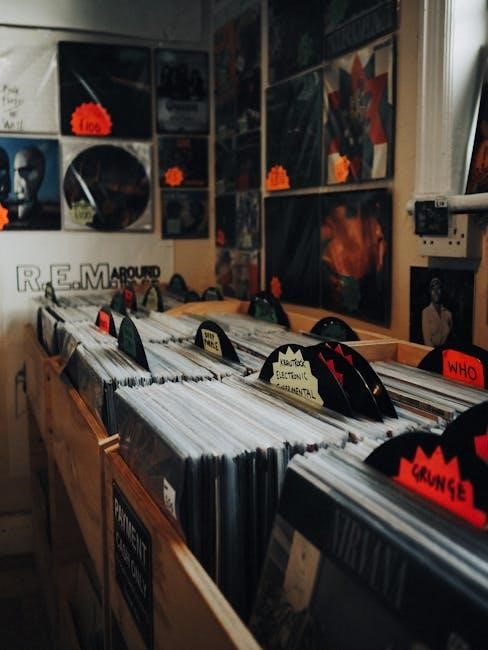
Part 6: The Dark Side of Collecting
Obsessive tendencies can manifest in collecting‚ mirroring the compulsive nature found within certain artistic expressions and potentially unhealthy fixations․
Obsession & Compulsive Behavior
The pursuit of rare vinyl‚ much like the repetitive actions within “manual manic procedures‚” can easily slip into obsessive patterns․ This isn’t simply enthusiastic collecting; it’s a drive fueled by an insatiable need‚ a compulsion to have‚ to complete․ Consider the parallels to fixations – the meticulous cataloging‚ the relentless searching‚ the anxiety surrounding potential damage or loss․
This behavior can be exacerbated by the inherent scarcity of certain records‚ creating a competitive environment that feeds the compulsion․ The intensity can mirror the focused‚ albeit disturbing‚ energy channeled into repetitive acts․ For some‚ the collection becomes the focus‚ eclipsing other aspects of life‚ potentially mirroring the all-consuming nature of trauma or obsessive thought patterns․ Recognizing this potential for unhealthy attachment is crucial․
The Value of Rarity & its Implications
The monetary value assigned to rare vinyl records creates a complex ecosystem‚ mirroring how society often ascribes value – or fails to – to experiences of trauma and artistic expression․ A first pressing‚ a limited edition‚ commands exorbitant prices‚ driven by scarcity and demand․ This parallels the unique‚ irreplaceable nature of individual experiences‚ even those rooted in pain․
However‚ this valuation can be problematic․ Does a higher price tag elevate the artistic merit‚ or simply reflect market forces? Similarly‚ the focus on rarity can overshadow the content itself‚ potentially trivializing the emotional weight or artistic intent․ The pursuit of “valuable” records can also fuel unethical sourcing and exploitation‚ echoing the potential for harm inherent in fixations and obsessive behaviors․
Ethical Sourcing of Materials (Vinyl & Beyond)
Considering the origins of materials is crucial‚ extending beyond the polyvinyl chloride in records to the tools used in manic procedures and the narratives surrounding traumatic events․ Vinyl production relies on petrochemicals‚ raising environmental concerns; responsible sourcing demands transparency and sustainable practices․
Furthermore‚ the appropriation of trauma – whether in art or collecting – necessitates ethical consideration․ Respectful engagement requires acknowledging the source material’s weight and avoiding exploitation․ Similarly‚ the tools used in self-expression‚ even those linked to pain‚ should be obtained and utilized responsibly‚ avoiding contributing to harm or glorifying violence․ Authenticity and provenance matter‚ demanding a critical examination of the entire supply chain‚ both material and narrative․
The unsettling connection reveals how humanity processes trauma‚ seeking both catharsis and control through extreme expression and nostalgic comfort․
Reflecting on the Contrasts
The core of this investigation lies in the profound disparities between the subjects․ Two hundred stab wounds represent the absolute limit of physical and emotional devastation‚ a brutal assault on the body and psyche․ Manual manic procedures‚ while potentially self-inflicted‚ exist within the realm of intensely personal‚ often artistic‚ expression – a desperate attempt to reclaim agency․
Vinyl records‚ conversely‚ embody a deliberate slowing down‚ a tactile and auditory experience rooted in warmth and nostalgia․ They represent a curated escape‚ a carefully constructed sonic landscape․ The contrast is stark: destruction versus creation‚ agony versus solace‚ chaos versus order․ Yet‚ within these oppositions‚ a strange resonance emerges – a shared human need to grapple with intense feelings‚ to find meaning in suffering‚ and to create something tangible from the intangible depths of experience;

Future Research & Exploration
Further investigation could explore the neurological connections between extreme trauma‚ creative compulsion‚ and the soothing effects of repetitive sensory input like listening to vinyl․ Longitudinal studies tracking individuals who have experienced severe violence and subsequently engage in artistic practices‚ particularly those involving ritualistic or repetitive elements‚ would be invaluable․
Additionally‚ a deeper analysis of the lyrical and thematic content of music released on vinyl – specifically albums created by artists with documented histories of trauma – could reveal patterns and insights․ Examining the role of sound engineers and producers in shaping these sonic landscapes is also crucial․ Finally‚ ethical considerations surrounding the representation of violence in art and the potential for triggering content require ongoing dialogue and responsible engagement․
Final Thoughts on the Unconventional Link
The connection between such disparate elements – horrific violence‚ intensely personal artistic outlets‚ and the nostalgic warmth of vinyl – remains profoundly unsettling‚ yet undeniably present․ This exploration hasn’t sought to justify or normalize trauma‚ but rather to acknowledge its complex manifestations and the often-unexpected pathways towards processing and expression․
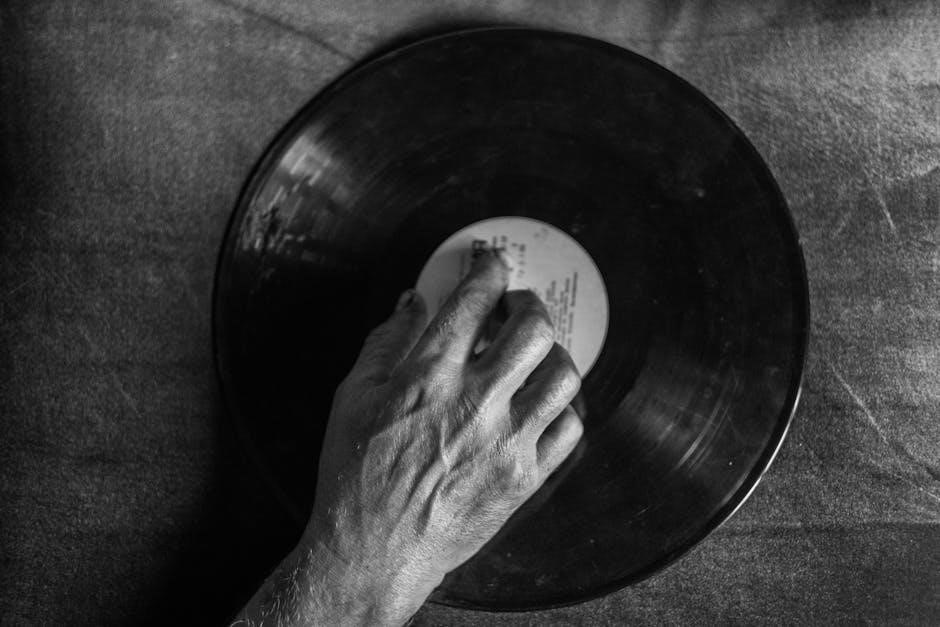
The enduring appeal of vinyl‚ perhaps‚ lies in its tangible‚ imperfect nature‚ offering a grounding counterpoint to the intangible and often chaotic experience of trauma․ Ultimately‚ recognizing these unconventional links encourages a more nuanced understanding of the human condition‚ acknowledging both the darkness and the potential for beauty within it․