Polaroid Snap Operating Instructions: A Comprehensive Guide
Navigating the digital world of instant photography requires understanding your Polaroid Snap’s features. This guide details everything from unboxing to troubleshooting‚ ensuring optimal enjoyment.
Recent online discussions highlight website changes‚ content removal‚ and legal considerations surrounding digital media access‚ mirroring the need for clear device instructions.
The Polaroid Snap represents a modern twist on instant photography‚ blending retro aesthetics with digital convenience. Unlike traditional Polaroid cameras relying on chemical processes‚ the Snap utilizes Zero Ink Printing technology‚ eliminating the need for messy inks or toners.
This compact‚ lightweight camera allows for immediate photo capture and printing‚ offering a fun and accessible way to preserve memories. Recent online conversations about digital content access and website changes emphasize the importance of understanding how devices like the Snap function.

This guide will walk you through every aspect of the Polaroid Snap‚ from initial setup to advanced features‚ ensuring you can fully utilize its capabilities and enjoy the unique experience of instant digital prints.
Unboxing and Package Contents
Upon opening your Polaroid Snap package‚ you should find several key components. These include the Polaroid Snap camera itself‚ a MicroSD card (typically 32GB‚ but capacity may vary)‚ a USB charging cable‚ a quick start guide‚ and potentially some sample Polaroid Zink paper.
Carefully remove all items and inspect them for any damage. The MicroSD card is crucial for storing your photos‚ while the USB cable is used for charging the camera and transferring images to a computer. Online discussions regarding website accessibility highlight the importance of having all necessary components for a functional experience.
Retain the packaging and documentation for warranty purposes and future reference.
Camera Overview: Buttons and Ports
The Polaroid Snap features a streamlined design with intuitive controls. The power button‚ located on the top‚ turns the camera on and off. The shutter button captures photos‚ while the mode button cycles through photo modes like standard‚ black & white‚ and vintage.
On the side‚ you’ll find the MicroSD card slot and a USB port for charging and data transfer. The LED indicator displays camera status. Understanding these components is vital‚ much like navigating online platforms – recent discussions emphasize the need for accessible interfaces.
Familiarize yourself with their locations for seamless operation.
Inserting and Formatting the MicroSD Card
Before first use‚ insert a MicroSD card into the designated slot. Ensure the camera is powered off during insertion. The Polaroid Snap supports MicroSD cards up to 32GB. Formatting the card is recommended for optimal performance‚ accessible through the camera’s menu (if available) or via a computer.
Formatting erases all data‚ so back up any existing files first. This process is akin to clearing browsing data for improved online experience – recent discussions highlight data management concerns. A properly formatted card ensures smooth photo storage and transfer.
Always eject safely!
Powering On/Off the Camera
To power on the Polaroid Snap‚ press and hold the power button – typically located on the side or top of the camera – for a few seconds. The camera will indicate it’s on with an LED light or screen activation. To power off‚ repeat this process; a brief press usually doesn’t suffice.
Like ensuring website access isn’t blocked (as discussed online regarding certain sites)‚ proper powering off conserves battery life. Avoid interrupting the shutdown process. A full charge is recommended before extended use‚ mirroring the need for reliable digital access.
Conserve energy!
Basic Photo Capture
To capture a photo with your Polaroid Snap‚ simply frame your subject and press the shutter button. The camera will quickly process the image and‚ if printing is enabled‚ begin printing a physical copy. The image will also be saved to the microSD card.
Similar to navigating online content (where sites like Nhentai have faced purges)‚ ensure sufficient photo paper is loaded for instant prints. The speed of capture mirrors the quick access desired online. Review captured images on the camera’s display to confirm composition and focus.
Enjoy instant memories!
Focusing the Camera
The Polaroid Snap utilizes a fixed focus lens‚ simplifying the focusing process. It’s optimized for subjects between 2 feet (0.6 meters) and infinity. For best results‚ ensure your subject falls within this range. While not adjustable‚ understanding this range is key to sharp images.
Like finding specific content online (as discussed regarding Nhentai and doujinshi searches)‚ clarity is crucial. If images appear blurry‚ slightly adjust your distance from the subject. The camera doesn’t auto-focus‚ so positioning is vital. Experiment to find the sweet spot for optimal sharpness.
Shutter Button Operation
The Polaroid Snap’s shutter button is straightforward: a single press captures a photo. A full press is required; gentle presses won’t activate the shutter. You’ll hear a distinct click confirming the image has been taken. Hold the camera steady during and immediately after pressing the button to avoid blur.
Similar to navigating websites with potential access issues (like recent Nhentai purges)‚ a firm‚ decisive action is needed. Just as users seek reliable apps like Tachiyomi‚ a complete shutter press guarantees image capture. Avoid hesitation for clear‚ focused results.
Understanding Photo Modes
The Polaroid Snap offers several creative photo modes‚ accessed via the mode button. Standard Photo Mode delivers vibrant‚ true-to-life colors. Black & White Mode produces classic monochrome images‚ ideal for artistic expression. Vintage Mode adds a retro aesthetic with warm tones and subtle vignetting.
Choosing the right mode is like navigating online content – finding the platform (Nhentai‚ Exhentai) or setting (Cloudflare protection) that suits your needs. Experiment with each mode to discover your preferred style‚ much like exploring different doujinshi websites.
Standard Photo Mode
Standard Photo Mode is the Polaroid Snap’s default setting‚ capturing images with realistic colors and optimal brightness. It’s perfect for everyday snapshots‚ ensuring faithful reproduction of scenes; This mode excels in well-lit conditions‚ delivering sharp‚ detailed prints.
Think of it as the “Bing.com” of photo modes – a reliable‚ straightforward experience. Like accessing a website without extra filters‚ Standard Mode provides a pure‚ unadulterated image. It’s the foundation for exploring other creative options‚ similar to using Tachiyomi to access manga content.
Black & White Mode
Black & White Mode on the Polaroid Snap transforms your photos into classic monochrome images‚ evoking a timeless aesthetic. This mode strips away color‚ emphasizing textures‚ shadows‚ and contrast for a dramatic effect. It’s ideal for artistic expression‚ mirroring the curated experience of platforms like Nhentai‚ focusing on form and composition.
Like a website purge removing color‚ Black & White Mode simplifies the visual information. It’s a powerful tool for highlighting specific details‚ similar to advanced search functions. Just as Cloudflare protects sites‚ this mode protects against color distractions‚ delivering a focused‚ impactful image.
Vintage Mode
The Vintage Mode on your Polaroid Snap replicates the look of aged‚ classic Polaroid photographs‚ adding warmth‚ subtle color shifts‚ and a slightly faded aesthetic. This mode simulates the imperfections and character of older instant film‚ offering a nostalgic feel; It’s akin to discovering a hidden doujinshi‚ possessing a unique‚ retro charm.
Like a website undergoing transformation‚ Vintage Mode alters the original image. It’s a stylistic choice‚ similar to choosing a specific app like Tachiyomi for a curated experience. Just as content can be removed or altered‚ this mode adds a layer of artistic interpretation‚ creating a distinct visual style.
Utilizing the Self-Timer Function
The self-timer feature allows you to include yourself in photos‚ perfect for group shots or solo portraits. Activate it by pressing the timer button – typically indicated by a clock icon – on the camera. A countdown will begin‚ usually 10 seconds‚ giving you time to pose.
Think of it as a digital equivalent of setting a delay‚ much like navigating a website with CloudFlare protection; a brief wait before access is granted. Just as content can be purged‚ ensure you’re in position before the timer initiates. This function is invaluable‚ mirroring the desire for accessible content‚ but requires preparation!
Zooming Capabilities
The Polaroid Snap offers limited digital zoom functionality‚ typically accessed through buttons or on-screen controls. While it doesn’t provide optical zoom like traditional cameras‚ it allows for some magnification of the subject. Be aware that excessive digital zoom can reduce image quality‚ resulting in a pixelated or blurry picture.
Consider it similar to searching for specific content online – you can refine your focus‚ but overdoing it might lead to less clear results. Just as websites undergo purges or changes‚ zoom cautiously. Prioritize getting closer to your subject physically for the best image clarity.
Printing Photos: Zero Ink Technology

The Polaroid Snap utilizes ZINK (Zero Ink) technology‚ meaning no ink cartridges are required for printing. Instead‚ the special photo paper contains embedded dye crystals that activate upon heating. This simplifies the printing process and eliminates messy ink replacements.
Think of it like accessing content online – no need for physical media‚ just the paper and the camera. However‚ like websites experiencing issues‚ printing can sometimes fail. Ensure the paper is loaded correctly and is genuine ZINK paper for optimal results. Just as platforms undergo “purges‚” paper quality impacts output.
Loading Photo Paper
To load the ZINK photo paper‚ locate the paper compartment‚ typically on the side or bottom of the camera. Open the compartment and insert the paper stack‚ ensuring the glossy side faces up. The camera is designed to detect the paper automatically‚ similar to how a website detects your device.
Proper loading is crucial; misaligned paper can cause printing errors‚ akin to website glitches. Avoid forcing the paper in. Like navigating online content‚ a smooth process yields better results. Ensure the paper pack is a genuine Polaroid ZINK pack for compatibility and quality prints.
Initiating Photo Printing
After capturing your image and ensuring photo paper is loaded‚ initiating a print is straightforward. Navigate to the print option via the camera’s interface – often a dedicated button or menu selection. The camera will then begin the Zero Ink Printing process‚ utilizing heat to activate the colors within the ZINK paper.
Like accessing content online‚ a brief processing time is normal. Avoid interrupting the printing process. Recent discussions about website purges highlight the importance of a stable connection; similarly‚ ensure the camera has sufficient battery. A successful print will eject automatically‚ ready to share!
Troubleshooting Printing Issues
If your Polaroid Snap isn’t printing‚ several factors could be at play. First‚ verify sufficient battery life and properly loaded ZINK paper. Check for error messages on the display – these often indicate the problem. If the paper jams‚ carefully remove it‚ avoiding damage to the printer mechanism.
Similar to encountering website access issues‚ sometimes a simple reset resolves the problem. Try turning the camera off and on again. Online forums discuss content removal; likewise‚ ensure the paper isn’t expired. If issues persist‚ consult the Polaroid support website for further assistance.
Viewing Photos on the Camera
The Polaroid Snap features a built-in LCD screen for immediate photo review. After capturing an image‚ press the playback button (typically indicated by a triangle pointing left) to view it. Use the up and down buttons to scroll through your saved photos on the microSD card.
Like navigating online platforms with varying content‚ the camera’s interface allows easy browsing. You can zoom in on images for closer inspection. Remember‚ the screen size is limited‚ so transferring photos to a larger display is recommended for detailed viewing‚ mirroring the desire for better access to digital media.
Transferring Photos to a Computer

Transferring your Polaroid Snap photos to a computer is straightforward‚ offering backup and editing options. You can utilize either a microSD card reader or a USB connection. Inserting the microSD card into a reader allows direct file access‚ similar to accessing content from online sources.
Alternatively‚ connect the camera to your computer via the provided USB cable. The camera will appear as a removable drive. Copy and paste your desired photos. Like navigating websites with potential access issues‚ ensure a stable connection for a smooth transfer.
Using a Card Reader
Employing a card reader provides a swift method for transferring photos from your Polaroid Snap’s microSD card to your computer. First‚ safely remove the microSD card from the camera. Insert it into a compatible card reader connected to your computer’s USB port.
Your computer will recognize the card as a removable drive‚ granting access to the image files. This process mirrors accessing online content‚ requiring a stable connection. Copy and paste the desired photos to your computer. Ensure the card reader supports the microSD card format for optimal functionality‚ avoiding potential access errors.

Connecting via USB
Directly connecting your Polaroid Snap to your computer via a USB cable facilitates photo transfer and‚ potentially‚ charging. Locate the USB port on your camera and connect it to a USB port on your computer.
Your computer should detect the camera as a removable storage device. Browse the camera’s internal storage to access your photos‚ similar to navigating online platforms. Copy and paste the desired images to your computer. Be mindful of potential connection issues‚ mirroring website access problems‚ and ensure a secure USB connection throughout the transfer process.
Battery Management and Charging
The Polaroid Snap utilizes a rechargeable lithium-ion battery. To maximize battery life‚ avoid extreme temperatures and fully discharge the battery occasionally before recharging. Use the provided USB cable and a compatible USB power adapter to charge the camera.
A full charge typically takes several hours. The camera’s LED indicator will signal the charging status. Like navigating online content‚ consistent power is crucial. Avoid prolonged storage with a completely depleted battery‚ as this can affect its lifespan. Proper battery care ensures uninterrupted photo capture and printing.
Troubleshooting Common Issues
Encountering problems? If the camera fails to power on‚ ensure it’s adequately charged and try a different USB cable and adapter. Printing errors often stem from low photo paper or an improperly inserted MicroSD card. Check these first.
Similar to navigating website issues – like recent purges on platforms – a simple fix is often the solution. If issues persist‚ consult the FAQ section or contact customer support. Remember‚ online forums suggest potential website access problems; similarly‚ ensure your camera’s components are correctly installed.
Camera Not Powering On
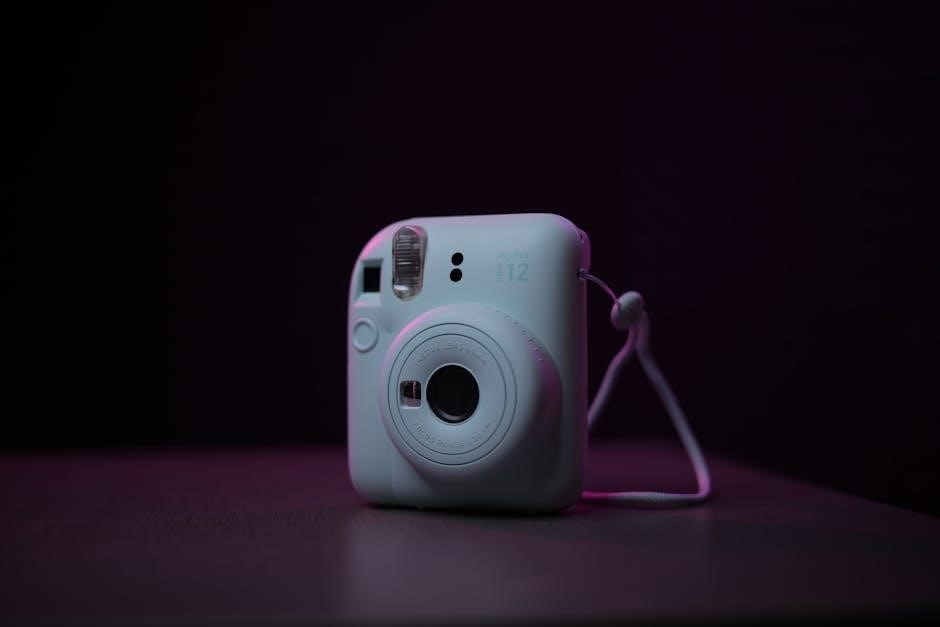
If your Polaroid Snap refuses to turn on‚ begin with the basics: verify the battery has sufficient charge. Connect the camera to a power source using the provided USB cable and a compatible adapter. Try a different cable and adapter to rule out a faulty connection.
If charging doesn’t resolve the issue‚ a complete power cycle might be necessary. Hold the power button for an extended period (around 10-15 seconds). Like troubleshooting website access issues‚ sometimes a reset is key. If problems continue‚ contact support.

Printing Errors
Encountering printing issues with your Polaroid Snap? First‚ ensure photo paper is loaded correctly‚ following the loading instructions precisely. Check for paper jams – gently remove any obstructions. Low paper levels can also cause errors; replenish the supply.
Similar to website content removal‚ sometimes issues are unexpected. If errors persist‚ try a different pack of Polaroid paper. Ensure the camera’s firmware is up-to-date‚ as updates often address printing bugs. If problems continue‚ consult the troubleshooting section or contact Polaroid support for assistance.
Cleaning and Maintenance
Maintaining your Polaroid Snap ensures longevity and optimal performance. Regularly clean the camera body with a soft‚ dry cloth. Avoid using harsh chemicals or abrasive cleaners‚ as these can damage the finish. Gently dust the lens with a microfiber cloth to remove fingerprints and smudges.
Like addressing website issues‚ preventative care is key. Inspect the paper loading area for debris. Store the camera in a cool‚ dry place when not in use. Avoid exposing it to extreme temperatures or humidity. Proper care will keep your Snap capturing memories for years to come.
Understanding LED Indicators
The Polaroid Snap utilizes LED indicators to communicate its status. A solid green light typically signifies the camera is ready for photo capture. A blinking green light indicates the camera is focusing or processing. A red light often signals a low battery or an error condition‚ like a full memory card.
Similar to website warnings about potential dangers‚ these lights provide crucial feedback. During printing‚ the LED will illuminate to show progress. Refer to the troubleshooting section if you encounter persistent red lights. Understanding these signals ensures smooth operation and quick problem-solving.
Firmware Updates

Periodically‚ Polaroid releases firmware updates for the Snap camera. These updates improve performance‚ fix bugs‚ and potentially add new features. Checking for updates is crucial for optimal functionality‚ much like maintaining website security with Cloudflare protection.
To update‚ connect your camera to a computer via USB. Visit the official Polaroid website and download the latest firmware. Follow the on-screen instructions carefully during the update process. Do not disconnect the camera until the update is complete‚ as this could cause damage. Regular updates ensure a reliable and enhanced user experience.
Safety Precautions
Always handle your Polaroid Snap with care to ensure both your safety and the longevity of the device. Avoid exposing the camera to extreme temperatures or humidity‚ as this can cause damage. Do not attempt to disassemble the camera yourself; this will void the warranty and could pose a safety risk.
Keep the camera away from water and other liquids. When cleaning‚ use a soft‚ dry cloth. Be mindful of your surroundings when taking photos‚ and avoid obstructing walkways or creating hazards. Like navigating online content‚ exercise caution and responsible usage.
Frequently Asked Questions (FAQ)
Q: Why isn’t my camera printing? A: Ensure photo paper is loaded correctly and the battery is charged. Check for error messages on the LED indicator.
Q: How do I find deleted photos? A: Deleted photos are permanently removed from the camera; regular microSD card backups are crucial. Similar to safeguarding online data‚ prevention is key.
Q: Can I use different photo paper? A: Only use Polaroid Snap photo paper for optimal results. Using alternatives may damage the camera. Q: Why is my camera slow? A: A full microSD card can slow performance; transfer photos regularly.
Warranty Information and Support
Polaroid Snap cameras are covered by a one-year limited warranty against manufacturing defects. This does not cover accidental damage or misuse. Proof of purchase is required for all warranty claims.
For support‚ visit the official Polaroid website for FAQs‚ troubleshooting guides‚ and downloadable resources. Online forums and communities‚ much like those discussing digital content access‚ can offer peer-to-peer assistance. Contact Polaroid customer service directly for complex issues. Retain your purchase information for warranty service.