Understanding Twin Development: A Parent’s Guide
Navigating twin parenting requires recognizing unique challenges, savoring small joys, and adjusting expectations; keeping babies alive, fed, and healthy is a huge win․

The Unique Challenges of Raising Twins
Raising twins presents a distinct set of hurdles compared to parenting singletons․ The sheer logistical demands – double the feedings, diaper changes, and sleepless nights – can be overwhelming, especially in the early stages․ It’s invaluable to connect with other twin parents facing similar circumstances, creating a support network for sharing worries, strategizing, and simply venting frustrations․
Twin motherhood often feels like a relentless cycle of practical, repetitive tasks․ This can lead to exhaustion and a sense of being steamrollered․ Therefore, consciously lowering expectations of daily accomplishments is crucial for maintaining well-being․ Focusing on the fundamental goal of keeping both babies alive, fed, and healthy represents a significant achievement in itself․
Furthermore, the emotional toll can be substantial, requiring parents to navigate the complexities of individual needs within a shared experience․ Finding moments to connect with each child individually, amidst the chaos, is paramount․
Cognitive Development in Twins vs․ Singletons
Understanding the cognitive trajectories of twins requires acknowledging potential differences compared to singletons․ Research, as highlighted in resources like “Raising Twins” by Pearlman & Ganon, indicates that while twins generally develop within the normal range, their cognitive development can be subtly influenced by their unique upbringing․
Early language acquisition and socialization patterns may differ, with twins sometimes exhibiting a “twin talk” phenomenon, impacting speech clarity initially; Exposure to peer pressure and the journey toward independence also present unique challenges for twins navigating their identities․
It’s important to remember that these are tendencies, not definitive outcomes․ Individual variation within twin pairs, and between twins and singletons, is significant․ Careful observation and fostering individual learning experiences are key to supporting optimal cognitive growth in both children․
Emotional Development in Twins: Individuality & Bonding
Navigating the emotional landscape of twins necessitates a focus on fostering both strong sibling bonds and distinct individual identities․ Twins share an incredibly close relationship from the start, which profoundly shapes their emotional development․
While a strong twin bond is beautiful, it’s crucial to nurture each child’s sense of self․ Encouraging independent activities, recognizing individual preferences, and avoiding constant comparisons are vital steps․
Understanding that twins may experience unique emotional challenges – such as anxieties around separation or competition for parental attention – is essential․ Providing dedicated one-on-one time with each child strengthens the parent-child connection and supports healthy emotional growth, allowing each twin to flourish as an individual․
Physical Development Milestones for Twins
Tracking physical development in twins requires awareness that milestones may be reached at slightly different times for each child, and that’s perfectly normal․ While general developmental timelines exist, twins, particularly those born prematurely, may exhibit variations in their progress․
Comparing twins directly can be unhelpful and create unnecessary anxiety․ Focus instead on each child’s individual journey, celebrating their unique achievements․
Resources like “Raising Twins” by Pearlman & Ganon highlight the importance of understanding these nuances․ Regular check-ups with a pediatrician are crucial to monitor growth and address any concerns․ Remember, physical development encompasses gross motor skills (rolling, crawling, walking) and fine motor skills (grasping, manipulating objects), and both are important to observe․

Practical Strategies for Twin Parenting
Effective twin parenting hinges on establishing routines, mastering feeding and sleep strategies, and building a robust support network for shared experiences and advice․
Feeding Schedules and Techniques for Twins
Establishing a feeding routine with twins can feel daunting, but consistency is key․ Initially, feeding both babies simultaneously is incredibly helpful – consider tandem feeding if breastfeeding, or positioning them side-by-side with bottles․ Don’t obsess over perfectly synchronized schedules; slight variations are normal․
Whether breastfeeding or formula-feeding, track each baby’s intake separately to ensure both are gaining weight appropriately․ Be prepared for frequent feedings, especially in the newborn stage․ Remember that practical, repetitive tasks dominate early twin mothering, so focus on keeping them fed and healthy․
Accept help! Having someone assist with bottle preparation or burping can be a lifesaver․ Prioritize your own nourishment and hydration while feeding, as it’s physically demanding․ Celebrate small victories – a successful feeding session is an enormous achievement!
Sleep Strategies for Twin Babies
Sleep deprivation is a hallmark of twin parenting, so establishing healthy sleep habits is crucial, though challenging․ While simultaneous naps are the holy grail, don’t stress if they don’t align perfectly․ Focus on creating a calming bedtime routine for each baby, even if staggered․
A consistent routine – bath, story, lullaby – signals sleep time․ Swaddling (if appropriate for age) can be soothing․ Remember that early twin mothering often feels like being steamrollered by exhaustion, so prioritize rest whenever possible․ Lower your expectations of what you can achieve daily․
Safe sleep practices are paramount: always place babies on their backs to sleep, in a crib free of loose blankets or toys․ Accept help from your partner or family to allow for uninterrupted sleep stretches․ Even small moments of rest are invaluable․
Establishing Routines for Twin Care
Routines provide predictability and a sense of calm for both babies and parents, though flexibility is key with twins․ Much of mothering multiples involves practical, repetitive tasks – embrace this! A consistent feeding schedule, even if it’s a rough guide, can help regulate their days․
Try to synchronize nap times when possible, but don’t force it․ Individual needs will vary․ Incorporate dedicated one-on-one time with each baby, fostering individual bonding․ This doesn’t have to be lengthy; even 15 minutes of focused attention makes a difference․
Remember that routines evolve as your twins grow․ Be prepared to adjust and adapt․ Prioritize self-care amidst the demands of twin care; a rested parent is a better parent․ Happiness comes in moments, so savor them!
Managing the Demands of Twin Motherhood: Lowering Expectations
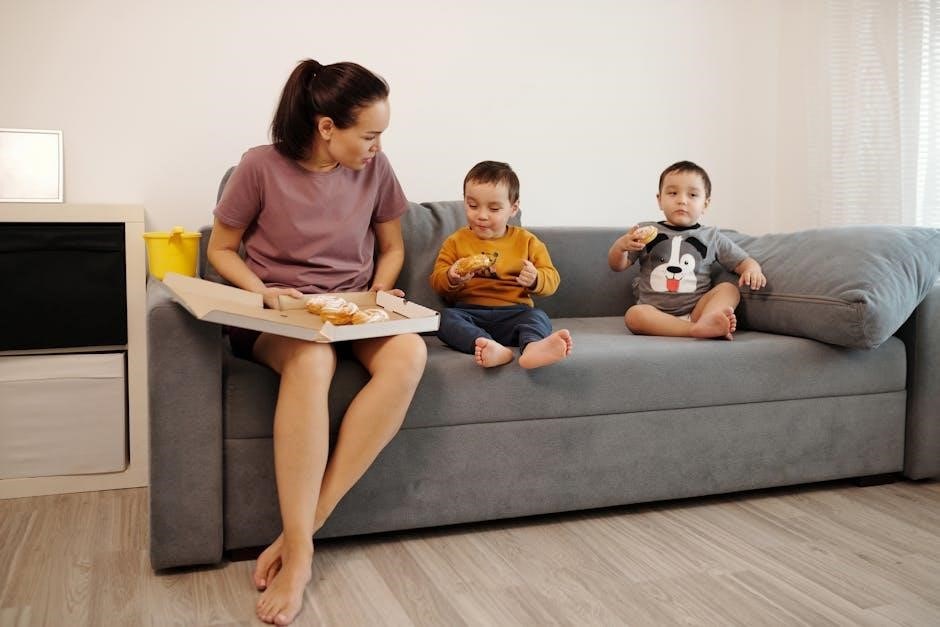
Twin motherhood is undeniably demanding; accepting help and lowering expectations are crucial for survival and well-being․ The early days often feel like being steamrollered by exhaustion, and that’s okay! Focus on the essentials: keeping your babies alive, fed, and healthy is an enormous achievement in itself․
Don’t strive for perfection; aim for “good enough․” It’s impossible to do everything, and attempting to will only lead to burnout․ Embrace the chaos and celebrate small victories․ Connect with other twin moms – sharing worries and strategizing together is invaluable․
Remember to savor the moments of connection with your little ones․ Happiness comes in those fleeting instances․ Prioritize self-care, even if it’s just a few minutes each day, to recharge and maintain your sanity․
Building a Support System
Connecting with twin parent groups and other moms provides invaluable support, a space to share worries, and strategize together for navigating twin parenting․

The Importance of Twin Parent Support Groups
Finding a community of fellow twin parents is incredibly beneficial, offering a unique understanding that others may lack․ These groups provide a safe haven to openly discuss the specific challenges and triumphs of raising multiples․
Sharing experiences with those ‘in the know’ can alleviate feelings of isolation and overwhelm, common emotions in twin parenting․ It’s invaluable to connect with parents navigating similar stages, exchanging practical advice on everything from feeding schedules to sleep strategies․
Beyond practical tips, support groups offer emotional validation and encouragement․ Knowing you’re not alone in your struggles, and having a space to simply ‘moan’ and vent, can significantly reduce stress․ These connections can blossom into lasting friendships, providing ongoing support long after the initial newborn phase․
Ultimately, twin parent support groups empower you to navigate the journey with greater confidence and resilience, fostering a sense of belonging and shared understanding․
Connecting with Other Twin Moms
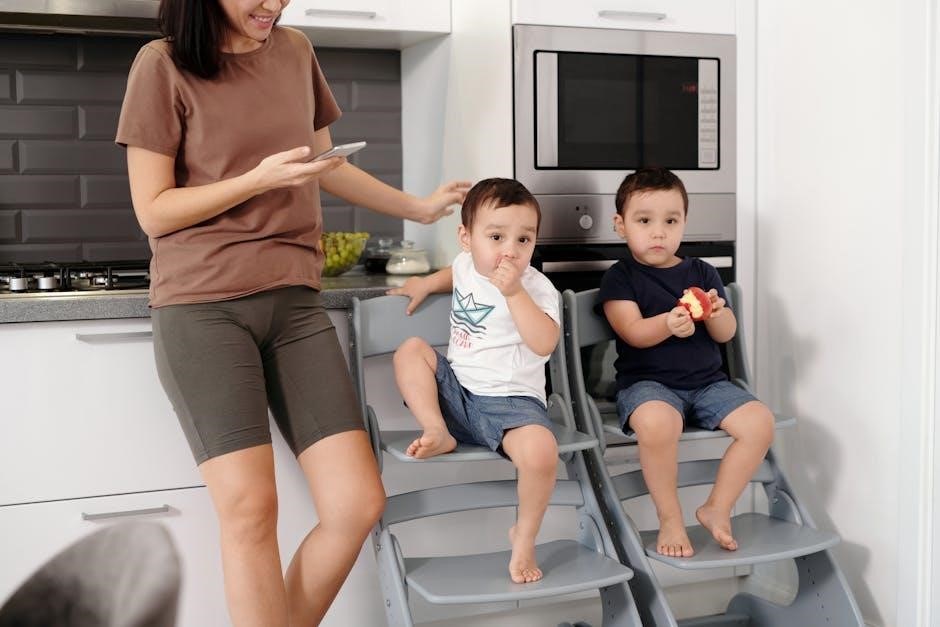
Building connections with other mothers of twins offers a powerful source of support and camaraderie․ Seeking out these relationships is invaluable, providing a space to share worries, strategize solutions, and celebrate milestones together․
Finding moms with babies of a similar age is particularly helpful, as you’ll be navigating comparable developmental stages and challenges․ These connections can be forged through local support groups, online forums, or even social media platforms dedicated to twin parenting․
Don’t underestimate the power of simply knowing someone else understands the unique demands of raising twins․ Sharing experiences, offering encouragement, and receiving practical advice can significantly reduce feelings of isolation and overwhelm․
These bonds often extend beyond practical support, blossoming into genuine friendships that enrich your parenting journey and provide a lasting network of understanding․
Addressing Specific Concerns
Twins may experience sibling rivalry and require fostering individuality; promptly address any developmental delays with professional guidance for optimal growth and well-being․
Sibling Rivalry in Twin Relationships
Sibling rivalry is a natural part of growing up, but it can manifest uniquely in twin relationships․ It’s crucial to understand that twins, even from infancy, are often compared – by parents, relatives, and even themselves․ This constant comparison can fuel competition for attention, affection, and perceived success․

Parents should actively discourage comparisons and celebrate each twin’s individual strengths and accomplishments․ Avoid labeling them as “the smart one” or “the athletic one,” as this reinforces a competitive dynamic․ Instead, focus on their unique personalities and interests․
Fairness doesn’t always mean treating twins identically; it means treating them equitably, based on their individual needs․ Allow them to have separate activities and friendships, fostering their independence․ Intervene in conflicts, but encourage them to find their own solutions whenever possible, teaching valuable problem-solving skills․ Remember, a little rivalry is normal, but excessive conflict requires attention and a proactive approach․
Fostering Individuality in Twins
Encouraging individuality is paramount when raising twins, as it helps them develop a strong sense of self separate from their sibling․ Resist the urge to dress them alike or enroll them in all the same activities, especially as they grow older․ Allowing them to explore different interests and cultivate unique friendships is vital․

Provide opportunities for one-on-one time with each twin, engaging in activities they enjoy independently․ This dedicated attention reinforces their individual value and strengthens the parent-child bond․ Support their distinct personalities, even if they differ significantly․
Recognize and celebrate their individual achievements, avoiding comparisons․ Encourage them to pursue their passions, even if those passions don’t align with their twin’s․ Fostering individuality isn’t about creating distance, but about empowering each twin to thrive as a unique person within the twinship․

Recognizing and Addressing Developmental Delays
While twins often reach milestones similarly to singletons, being vigilant for potential developmental delays is crucial․ Twins can sometimes experience slightly delayed speech development due to needing to “take turns” communicating, or due to increased competition for parental attention․
Regularly monitor their progress against established developmental checklists, and don’t hesitate to discuss any concerns with your pediatrician․ Early intervention is key if a delay is identified․ Remember that each twin is an individual, and comparisons can be misleading․
Professional evaluation can pinpoint specific areas needing support, such as speech therapy or occupational therapy․ Resources like “Raising Twins” by Pearlman & Ganon can offer insights into typical twin development․ Trust your instincts as a parent; if something feels off, seek professional guidance promptly to ensure both twins receive the support they need to flourish․
Resources for Twin Parents
“Raising Twins” by Pearlman & Ganon is a valuable guidebook, studying unique multiple development and addressing special challenges twins encounter throughout their lives․
Recommended Books on Twin Parenting (e․g․, “Raising Twins” by Pearlman & Ganon)
For parents embarking on the journey of raising twins, a wealth of resources exists to provide guidance and support․ Among the most highly recommended is “Raising Twins” by Eileen M․ Pearlman, Ph․D․, and Jill Alison Ganon․
This comprehensive guidebook delves into the unique developmental aspects of multiples, from toddlerhood through young adulthood․ It meticulously contrasts the cognitive, emotional, and physical development of twins against that of singletons, offering insights into areas like speech development, socialization, navigating peer pressure, and fostering independence․
Pearlman, herself an identical twin, and Ganon provide a nuanced understanding of the specific challenges twins face, equipping parents with practical strategies to nurture their individual growth while strengthening their bond․ The book doesn’t shy away from the complexities of twin relationships, offering valuable perspectives on fostering individuality and addressing potential issues․
It’s a resource that acknowledges the demanding nature of twin parenting and provides a reassuring voice for those navigating this rewarding, yet often overwhelming, experience․